A dependable logistics company in Canada does much more than move freight from point A to point B. In 2026, changing freight costs, new trade routes and smarter technology are reshaping how goods travel across provinces and borders. This guide explains the key trends and what they mean for your shipping decisions.
Quick answer: In 2026, the biggest forces shaping Canadian freight are uneven shipping costs, growing use of Canadian ports, better shipment visibility and demand for flexible, one-stop services. A good provider helps you adapt to all four.
What Does a Logistics Provider Actually Do?
A logistics provider plans, moves and stores goods so they arrive on time and in good condition. Core services include freight transportation, warehousing, cross-docking, delivery coordination and shipment tracking. Two of the most common road options are Full truckload services, where one shipment fills an entire trailer, and Less Than Truckload Services, where several shippers share trailer space to lower costs. The right choice affects price, speed and handling risk. A provider also coordinates communication and problem-solving when delays happen, which saves your team time.
1: Shippers Are Building More Resilient Supply Chains
Canadian businesses are investing in logistics capacity while facing uneven freight costs and shifting inventory requirements. Large projects, such as Lululemon’s new Brampton distribution centre of more than one million square feet, show how much weight companies now place on speed and control. Smaller shippers can build the same resilience without big capital spending: use more than one carrier, keep flexible delivery windows and match each shipment to the right mode.
For shippers, the lesson is simple: conditions change quickly. Work with a provider that communicates early, offers both partial and full loads, and can reroute or reschedule when plans shift. Delays are costly for perishable goods and just-in-time manufacturing, so build buffer time into your schedule.
2: Shippers Are Diversifying Trade Routes
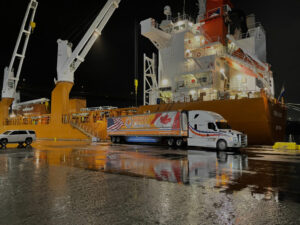
More cargo is flowing through Canadian gateways. Vancouver’s full container imports rose 9.0% year on year in the first quarter of 2026, passing 491,000 TEUs, a new port record. In August, the federal government also opened CANXPORT at the Port of Prince Rupert to increase rail capacity and improve connections between rail and marine transportation. For businesses in Western Canada, this means more freight moving between ports, intermodal terminals, warehouses and trucks, so strong drayage and intermodal links matter more than ever.
3: Technology Is Making Freight Visible
According to IMARC market analysis, real-time tracking, route optimization, AI, automation and green logistics are shaping Canadian freight operations. Customers now expect live GPS updates, proactive delay alerts and fast answers from dispatch, not a phone call asking where the truck is. Better data also helps providers plan loads, reduce empty miles and lower fuel use. Before you hire anyone, ask which visibility tools you will actually receive.
4: Flexible Capacity, Warehousing and Cold Chain
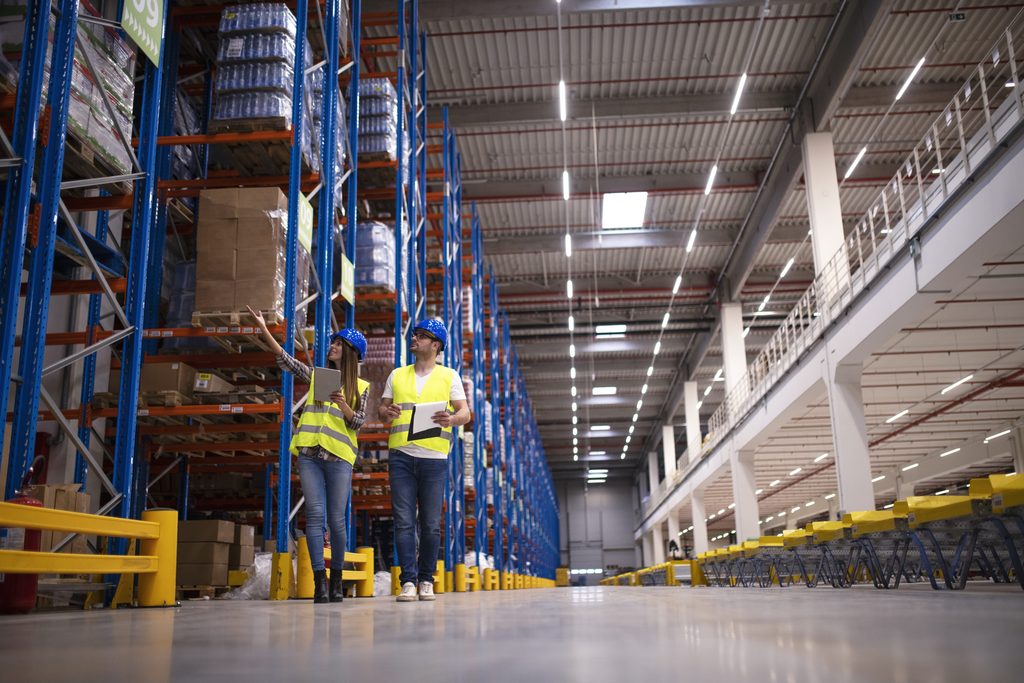
The Canadian logistics market is projected to grow from USD 112 billion in 2025 to about USD 152 billion by 2032, while e-commerce development and infrastructure investment continue to drive demand. Businesses increasingly want one partner for trucking, warehousing, cross-docking and temperature-controlled freight instead of juggling several vendors. Shared warehousing and scalable storage also help absorb seasonal peaks without long-term commitments.
Cold chain demands precision. Food and other temperature-sensitive goods need continuous monitoring, clean equipment and trained drivers. A single temperature excursion can ruin a whole load, so ask for monitoring records.
How to Choose the Right Logistics Partner
If you are searching for a logistics company in Canada, look beyond the price per mile. Check for:
- Coverage across Canada and the United States
- Experience with cross-border shipping
- Flexible modes: FTL, LTL, refrigerated, dry goods and flat deck
- Real-time tracking and 24/7 dispatch
- Cargo insurance and a clear claims process
Ask for customer references too, because a low rate can hide extra fees or weak service.
Practical Steps for Shippers in 2026
Trends only help if you act on them. Start with these steps:
- Map your lanes and flag which ones cross the border.
- Mix FTL and LTL to match shipment size and urgency.
- Keep shipping documents, such as packing lists and bills of lading, accurate.
- Spread risk across more than one route or terminal.
- Book peak-season capacity early.
- Review rates and service quarterly with your provider.
Frequently Asked Questions
It plans and manages the transport, storage and delivery of freight, including trucking, warehousing, delivery coordination and tracking, so goods reach customers on time.
Plan lanes early, choose the right mode for each load, consolidate where possible and use live tracking to spot problems quickly. A provider with 24/7 dispatch can reroute or reschedule before a small issue becomes a missed delivery.
Choose LTL when your freight does not fill a trailer and you want to pay only for the space used. Choose a full truckload for large volumes, fragile goods or tight deadlines, since the load travels direct with minimal handling.
Yes. Many providers run both, plus warehousing and cold storage. Confirm temperature monitoring and backup procedures before you book.
Keep Your Freight Moving With SRT Logistics Inc
Canadian freight will stay dynamic through 2026 and beyond, shaped by new gateways, technology and shifting demand. The best protection is a partner that is flexible, transparent and experienced on both sides of the border.
SRT Logistics Inc is a logistics company in Canada serving businesses across Canada and the USA with FTL, LTL, refrigerated, dry goods and flat deck freight, plus warehousing, cold storage and cross-border shipping. With GPS tracking and 24/7 dispatch support, our team keeps your supply chain moving. you can call us at +16047554535